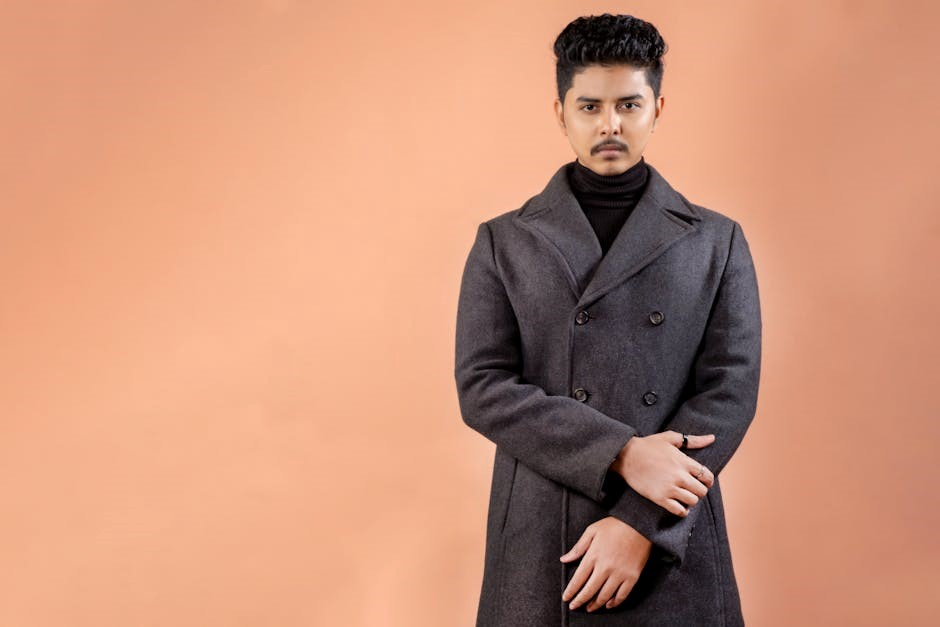
Mens Coat Fitting Guide: A Comprehensive Overview (Updated 05/04/2026)
Finding the perfect coat involves understanding styles‚ measurements‚ and layering needs; comfort and a polished look are key‚ especially considering seasonal variations and personal preference․
Understanding Coat Styles & Their Fit
Coat styles dramatically influence fit‚ impacting both appearance and practicality․ From classic Balmacaans – known for their voluminous‚ A-line cut – to structured overcoats and contemporary designs‚ each silhouette demands a different approach to sizing․ A Balmacaan‚ for instance‚ often features a larger chest measurement intended for layering‚ while slimmer cuts prioritize a closer‚ more tailored profile․
Understanding your climate and typical layering habits is crucial․ If you frequently wear bulky sweaters or hoodies underneath‚ consider sizing up to accommodate the extra volume․ Conversely‚ if you primarily wear lighter layers‚ a more precise fit might be preferable․ Texas residents may need only a shirtcoat/jacket‚ while colder climates necessitate room for multiple layers․ Ultimately‚ the ideal fit balances comfort‚ style‚ and functionality‚ ensuring the coat complements your wardrobe and withstands the elements․
Key Measurements for a Mens Coat
Accurate measurements are fundamental to achieving a well-fitted coat․ While chest and shoulder measurements are standard‚ specific styles like Balmacaan coats present unique considerations․ The chest measurement‚ often larger in these designs‚ reflects the intended voluminous fit․ Crucially‚ understanding where measurements are taken matters – particularly the overarm measurement‚ which may originate lower on the arm than expected due to the absence of traditional shoulder seams․
Beyond these‚ sleeve length and coat length are vital․ Sleeve length dictates the “drop” – the amount of shirt cuff visible – while coat length influences overall proportions․ Discrepancies can occur‚ so verifying measurement points with the retailer is wise․ Don’t solely rely on standard sizing; always compare your measurements to the brand’s specific size chart‚ as variations exist․
Chest Measurement & Fit
The chest measurement is a primary indicator of coat fit‚ but its interpretation varies by style․ A snug‚ but not tight‚ fit allows for comfortable layering – a crucial consideration‚ especially in colder climates or for those wearing multiple underlayers like a shirt and hoodie․ However‚ styles like Balmacaan coats are intentionally cut with a more generous chest measurement‚ creating an A-line silhouette rather than a sharply tailored shape․
Don’t mistake this looseness for incorrect sizing; it’s inherent to the design․ When measuring‚ ensure the tape measure is comfortably around the fullest part of your chest‚ under your arms․ If the measurement falls between sizes‚ consider sizing up‚ particularly if you plan to layer․ Remember‚ a coat should accommodate movement without feeling restrictive․
Shoulder Fit: The Foundation of a Good Fit
A proper shoulder fit is arguably the most critical aspect of a well-fitting coat․ The shoulder seams should lie flat and align with the natural line of your shoulders – neither extending beyond nor falling short․ Ill-fitting shoulders restrict movement and distort the coat’s overall shape‚ creating an unflattering appearance․ Pay close attention‚ as this area is often difficult and expensive to alter significantly․
When trying on a coat‚ move your arms freely․ If you feel pulling or constriction across the upper back or shoulders‚ the coat is likely too small․ Conversely‚ if the shoulder seams extend noticeably past your natural shoulder line‚ it’s too large․ For Balmacaan coats‚ which often lack defined shoulder seams‚ assess the fit across the yoke – the area connecting the shoulders to the back – ensuring it doesn’t feel overly tight or loose․
Sleeve Length: Achieving the Perfect Drop
Sleeve length dictates a coat’s overall aesthetic and functionality․ Ideally‚ the sleeves should end around your wrist bone‚ allowing approximately ½ to ¾ of an inch of shirt cuff to be visible – this is known as the “drop․” This subtle detail elevates the coat’s appearance and demonstrates attention to detail․ Too short‚ and the coat looks disproportionate; too long‚ and it obscures your hands and appears sloppy․
When assessing sleeve length‚ extend your arms naturally․ Consider the layers you’ll typically wear underneath the coat․ If you frequently wear sweaters or thicker shirts‚ ensure the sleeves accommodate them without becoming constricting․ For Balmacaan coats‚ the relaxed silhouette often allows for a slightly longer sleeve length‚ but avoid excessive coverage․ A tailor can easily adjust sleeve length for a precise fit;
Coat Length: Proportions and Style
Coat length significantly impacts your overall silhouette and the coat’s intended style․ Generally‚ coat length should fall somewhere between your upper thigh and just below your knees․ Shorter lengths offer a more modern‚ streamlined look‚ while longer lengths provide greater warmth and a classic aesthetic․ Consider your height; shorter individuals may benefit from slightly shorter coats to avoid appearing overwhelmed․
For Balmacaan coats‚ a mid-thigh to just-below-the-knee length is typical‚ complementing their relaxed‚ A-line shape․ The coat’s length should also harmonize with your other clothing․ Avoid lengths that disrupt the proportions of your outfit․ A well-proportioned coat enhances your physique and creates a balanced appearance․ Ultimately‚ the ideal length depends on personal preference and the coat’s overall design․
Understanding Different Coat Silhouettes
Mens coat silhouettes dramatically influence both style and comfort․ Three primary fits dominate the market: regular‚ slim‚ and relaxed/oversized․ Regular fit coats offer a classic‚ comfortable shape with ample room for layering‚ suitable for most body types․ They provide a timeless aesthetic without feeling restrictive․
Slim fit coats are tailored closer to the body‚ creating a more modern and streamlined appearance․ These are best suited for those with leaner builds or who prefer a more fitted look․ Relaxed/Oversized fit coats prioritize comfort and a contemporary‚ fashion-forward style‚ allowing for substantial layering underneath․ Balmacaan coats often lean towards a relaxed silhouette‚ emphasizing volume and an A-line cut‚ offering a distinctive and comfortable fit․
Regular Fit Coats
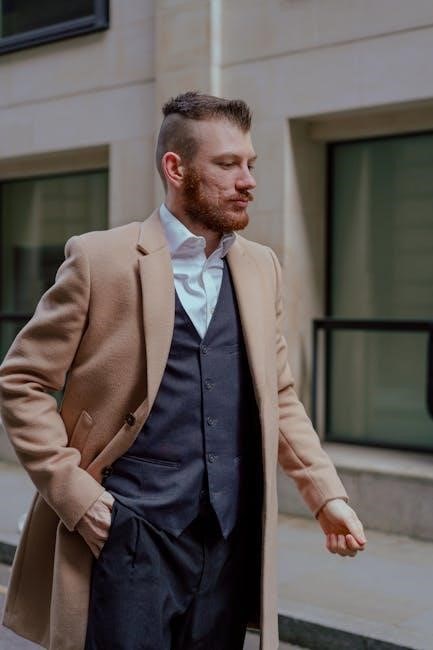
Regular fit coats represent a timeless and versatile choice‚ offering a balanced silhouette suitable for a wide range of body types and layering needs․ These coats provide ample room through the chest‚ shoulders‚ and waist‚ ensuring comfortable movement without feeling restrictive․ They are designed to accommodate shirts‚ sweaters‚ and even light jackets underneath without compromising the coat’s shape or drape․
This silhouette is ideal for individuals who prefer a classic aesthetic and prioritize comfort․ Regular fit coats generally feature a straighter cut‚ avoiding excessive tailoring or a particularly slim profile․ They are a dependable option for everyday wear‚ offering both warmth and style in various fabrics and lengths․ They are a great starting point for building a functional and stylish outerwear collection․
Slim Fit Coats
Slim fit coats offer a modern and tailored aesthetic‚ designed to closely follow the body’s natural lines․ These coats are cut closer through the chest‚ waist‚ and sleeves‚ creating a streamlined silhouette that emphasizes a more athletic build․ They typically feature a narrower lapel and a higher button stance‚ contributing to a sophisticated and contemporary look․
However‚ slim fit coats require careful consideration of layering․ They are best suited for wearing over thinner garments‚ such as a dress shirt or a lightweight sweater‚ to avoid feeling constricted․ Individuals with broader shoulders or a larger chest may find slim fit coats less comfortable than regular or relaxed fits․ Proper shoulder fit is crucial for a slim fit coat to look its best‚ ensuring a clean and polished appearance․
Relaxed/Oversized Fit Coats
Relaxed and oversized fit coats represent a contemporary trend‚ prioritizing comfort and a more casual aesthetic․ These coats offer ample room throughout the body‚ allowing for easy layering over bulky sweaters or suits without feeling restrictive․ They often feature a dropped shoulder and a looser silhouette‚ creating a more effortless and modern appearance․
While stylish‚ oversized coats require attention to proportion․ Individuals of smaller stature should be cautious‚ as an excessively oversized coat can overwhelm their frame․ Balancing the volume of the coat with slimmer-fitting trousers is key to achieving a harmonious look․ These coats are excellent for those who prefer a less structured style and appreciate the freedom of movement they provide‚ offering a comfortable yet fashionable option for colder weather․
Layering and Coat Size
Determining the correct coat size necessitates considering the layers you intend to wear underneath․ If you frequently layer with thick sweaters‚ hoodies‚ or suits‚ opting for a slightly larger size is advisable․ This ensures comfortable movement and prevents the coat from feeling constricting when fully layered․ A good rule of thumb is to allow enough room to comfortably button or zip the coat without strain․
However‚ avoid going excessively large‚ as this can compromise the coat’s silhouette and overall aesthetic․ Consider your typical layering habits – if you primarily wear a shirt and light sweater‚ a true-to-size fit may suffice․ Remember‚ a well-fitted coat accommodates layering without appearing bulky or ill-proportioned‚ balancing practicality with style for optimal warmth and appearance․
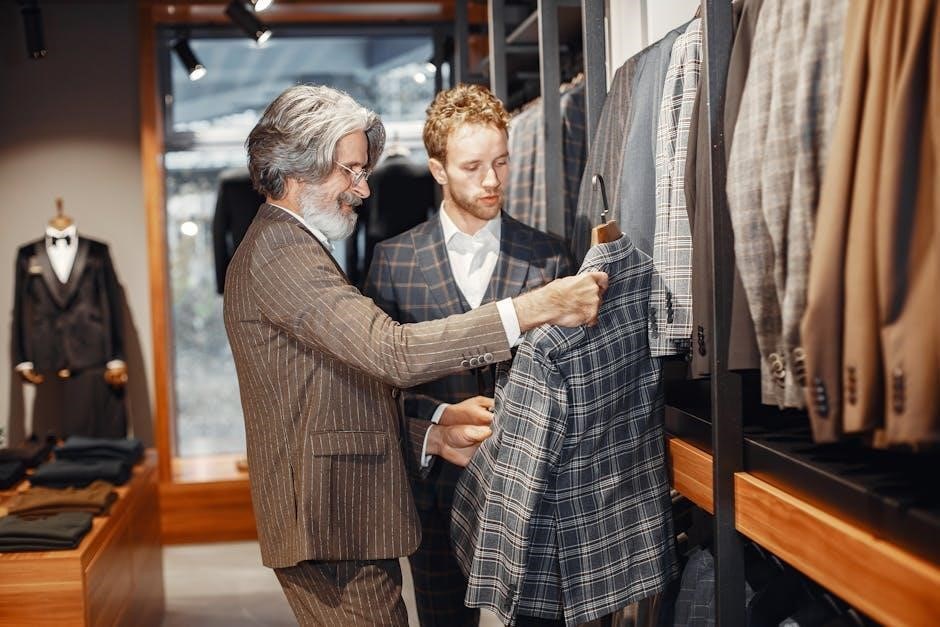
The Importance of Trying On Coats
Trying on coats is paramount to achieving a truly flattering and functional fit‚ far exceeding the reliability of size charts alone․ Body types vary significantly‚ and manufacturers’ sizing can differ considerably․ Always test the range of motion – can you comfortably raise your arms‚ rotate your shoulders‚ and sit without feeling restricted? Pay attention to how the coat feels when buttoned or zipped; it shouldn’t pull or strain․
Bring layers representative of your typical wear when trying on coats to simulate real-world conditions․ Don’t rush the process; move around‚ and assess the fit from multiple angles․ A coat that looks good on a hanger may not translate well to your body․ Prioritize comfort and functionality alongside style – a well-fitting coat enhances your appearance and provides essential warmth․
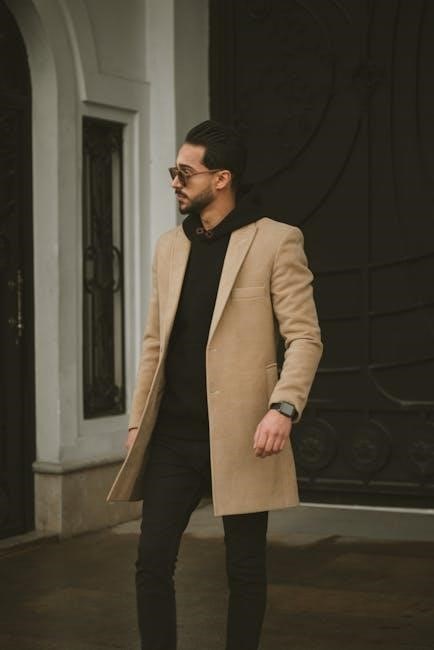
Common Fitting Issues & How to Address Them
Tight shoulders restrict movement and create an unflattering silhouette; consider a size up or a coat with a different shoulder construction․ Sleeves that are too long obscure your hands and appear sloppy‚ while sleeves too short look disproportionate – alterations are often the best solution․ If a coat pulls across the chest or back‚ it indicates insufficient room; try a larger size or a coat designed for broader builds․
These issues often stem from variations in body shape or manufacturing inconsistencies․ Don’t settle for a coat that doesn’t fit perfectly off the rack․ A skilled tailor can address these problems‚ ensuring a comfortable and polished appearance․ Remember‚ a few minor adjustments can transform a mediocre fit into a truly exceptional one․
Tight Shoulders
Tight shoulders are a critical fitting flaw‚ severely limiting arm movement and creating a strained appearance․ If the shoulder seams pull or feel restrictive when you move your arms‚ the coat is too small․ This discomfort isn’t just about feeling; it impacts the coat’s overall drape and silhouette‚ making you look boxy and uncomfortable․
Attempting to “stretch” a coat to accommodate tight shoulders is futile and can damage the fabric․ The best course of action is to try a larger size‚ or explore coats with a different shoulder construction – raglan sleeves‚ for example‚ offer more freedom․ If the fit is otherwise perfect‚ tailoring can sometimes provide a solution‚ but significant alterations to the shoulders are complex and costly․
Sleeves Too Long or Short
Sleeve length is crucial for a polished look; incorrect length disrupts the coat’s proportions and overall aesthetic․ Ideally‚ sleeves should end where your wrist meets your hand‚ allowing about half an inch of shirt cuff to be visible․ Sleeves that are too short expose the wrist and appear disproportionate‚ while sleeves that are excessively long cover the hands and create a sloppy appearance․
Slight sleeve length adjustments are relatively inexpensive and straightforward for a tailor․ However‚ significant alterations can affect the coat’s construction and balance․ When trying on coats‚ bend your arms to ensure the sleeves don’t ride up excessively or bunch awkwardly․ Consider the layers you’ll typically wear underneath when assessing sleeve length – a bulky sweater will require longer sleeves․
Coat Pulling Across the Chest/Back
If a coat pulls across the chest or back when buttoned‚ it indicates the fit is too tight․ This restricts movement‚ compromises comfort‚ and distorts the coat’s shape‚ creating an unflattering silhouette․ The coat should lie smoothly across your torso without straining or bunching․ Pay attention to how the fabric feels when you move your arms – any tightness or restriction suggests a poor fit․

This issue is often exacerbated when layering thicker garments underneath․ Consider your typical layering habits when trying on coats․ A tailor can sometimes let out seams to provide more room‚ but this depends on the amount of fabric allowance available․ If the coat is fundamentally too small‚ it’s best to size up and potentially have it tailored for a more precise fit․
Balmacaan Coat Specific Fitting Considerations
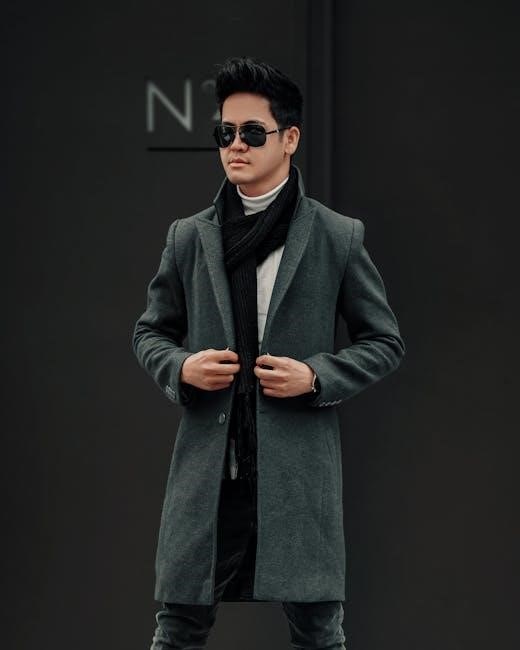
Balmacaan coats‚ known for their voluminous‚ A-line silhouette‚ require unique fitting considerations․ Unlike more shaped coats‚ they’re designed to be roomy‚ but not overwhelmingly so․ Traditional measurements can be misleading due to the lack of defined shoulder seams; the overarm measurement becomes crucial․ Expect a larger chest measurement compared to fitted styles‚ reflecting the coat’s intended drape․
When assessing fit‚ focus on how the coat hangs and moves with you․ It should fall straight down‚ creating a flattering shape without appearing boxy․ Don’t hesitate to request clarification on measurements from the retailer‚ specifically asking how the overarm and chest are measured․ A slight adjustment by a tailor can refine the fit‚ ensuring the coat complements your build and maintains its signature style․
Overarm Measurement Explained
The overarm measurement is particularly vital for coats lacking traditional shoulder seams‚ like Balmacaans․ It’s not a standard measurement and can vary between brands‚ leading to confusion․ Typically‚ it’s taken from the back of the neck‚ over the shoulder‚ and down the arm to the wrist – essentially‚ the total length from the neck point‚ following the arm’s curve․
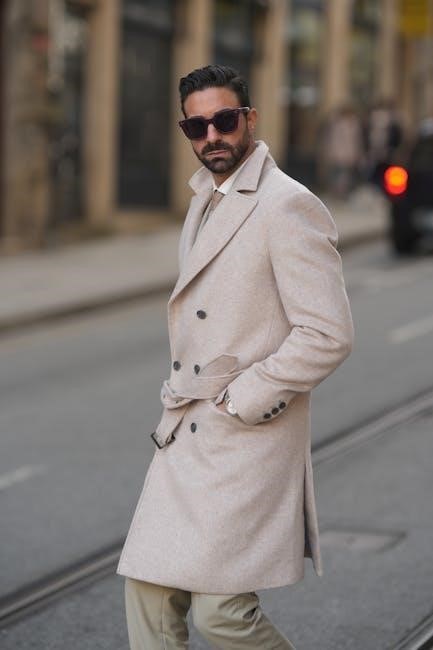
However‚ some manufacturers may start the measurement lower‚ below the deltoid muscle‚ impacting the reported number․ Always clarify where the measurement originates when shopping online․ A precise overarm measurement ensures the coat’s sleeves are the correct length and the overall fit isn’t too tight or restrictive․ Requesting this detail from the seller is crucial for a successful purchase‚ especially with less conventional coat styles․
Chest Measurement Discrepancies in Balmacaan Coats
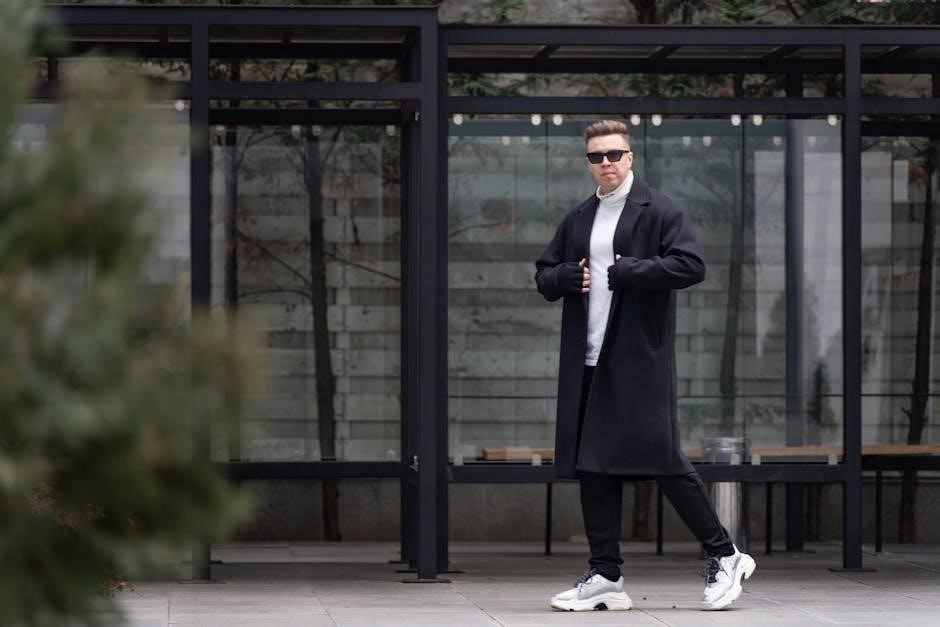
Balmacaan coats are intentionally designed with a voluminous‚ A-line silhouette‚ differing significantly from more tailored coat styles․ This construction often results in a larger reported chest measurement than you might expect‚ or than you typically wear in other garments․ Don’t be alarmed by a seemingly oversized number; it reflects the coat’s intended shape‚ not necessarily its actual fit․
These coats are meant to drape and allow for layering underneath‚ providing ample room for movement․ Focus less on matching your usual chest size and more on the overarm and length measurements․ Requesting a center seam-to-sleeve measurement can provide a clearer understanding of the coat’s actual width․ Prioritize comfort and the ability to comfortably wear layers beneath the Balmacaan․
Considering Fabric Weight & Fit
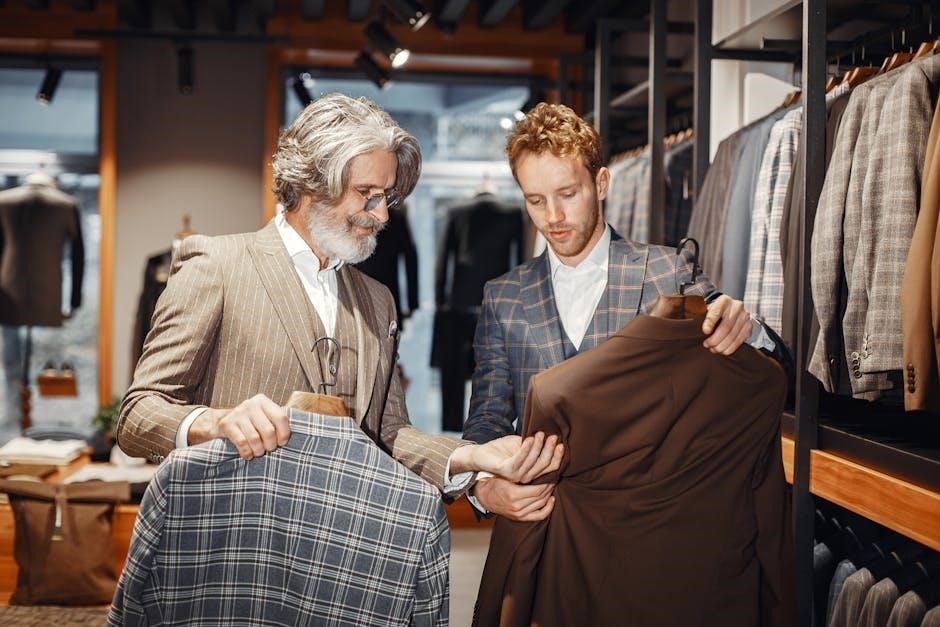
Fabric weight dramatically impacts how a coat fits and feels․ Heavier fabrics‚ like wool or cashmere‚ naturally add bulk and require a slightly looser fit to allow for comfortable movement and layering․ Lighter fabrics‚ such as cotton or linen blends‚ can be worn closer to the body without feeling restrictive․
When choosing a coat‚ consider the climate you’ll be wearing it in․ For colder temperatures‚ prioritize a fit that accommodates sweaters or other insulating layers․ A heavier fabric will also provide more warmth‚ reducing the need for extensive layering․ Conversely‚ lighter fabrics are ideal for milder weather and can be worn with minimal undergarments․ Always factor in the fabric’s drape and structure when assessing the overall fit․
Online Coat Shopping: What to Look For
Shopping for coats online requires careful attention to detail․ Prioritize retailers with detailed size charts‚ including specific measurements for chest‚ shoulders‚ sleeves‚ and length․ Look for websites offering multiple views of the coat‚ ideally including a 360-degree spin or a video showcasing the fit on a model․
Pay close attention to customer reviews‚ specifically those mentioning fit accuracy․ Check the retailer’s return policy before purchasing; a hassle-free return process is crucial if the coat doesn’t fit as expected․ Don’t hesitate to contact customer service with specific questions about sizing or fabric․ Remember‚ online shopping lacks the benefit of trying on‚ so thorough research is essential for a successful purchase․
Alterations: Tailoring Your Coat for a Perfect Fit
Even with careful selection‚ a coat may require alterations for a truly customized fit․ Common adjustments include sleeve length‚ shoulder width‚ and waist suppression․ A skilled tailor can refine the silhouette‚ ensuring a flattering and comfortable fit․ Don’t underestimate the power of a well-tailored coat – it elevates the entire garment and demonstrates attention to detail․
Before committing to alterations‚ discuss your desired fit with the tailor and clearly communicate any specific concerns․ Expect to pay for alterations‚ but consider it an investment in a garment you’ll wear for years․ Finding a reputable tailor is crucial; seek recommendations and review their previous work․ Minor adjustments can transform an off-the-rack coat into a bespoke-quality piece․
Return Policies & Exchanges
When purchasing a coat online‚ thoroughly review the retailer’s return policy before completing your purchase․ Understand the timeframe for returns‚ whether return shipping is free‚ and any conditions that apply – such as the coat needing to be unworn with tags attached․ A generous return policy provides peace of mind‚ allowing you to assess the fit and quality at home without risk․
Pay close attention to exchange options․ Can you easily exchange for a different size or color? Some retailers offer store credit‚ while others provide a full refund․ Knowing these details upfront prevents frustration if the initial coat doesn’t meet your expectations․ Keep all original packaging and documentation to streamline the return or exchange process․
Resources for Finding a Tailor
Finding a skilled tailor is crucial for achieving a truly perfect coat fit․ Start by asking for recommendations from friends‚ family‚ or colleagues who have had successful tailoring experiences․ Online review platforms like Yelp and Google Maps can also provide valuable insights into local tailors’ reputations and specialties․
Websites like the Association of Professional Dry Cleaners and Launderers (APCL) often have tailor directories․ When selecting a tailor‚ inquire about their experience with coats specifically – different fabrics and constructions require varying expertise․ Don’t hesitate to discuss your desired alterations in detail and request a price quote beforehand․ A good tailor will offer knowledgeable advice and ensure your coat fits impeccably․
Seasonal Considerations for Coat Fit
Coat fit isn’t static; it’s influenced by the seasons and the layers you’ll wear underneath․ In milder autumn or spring weather‚ a slimmer fit might suffice with just a shirt or light sweater․ However‚ as winter approaches and temperatures drop‚ consider the need for bulkier layers like sweaters‚ hoodies‚ or even suits․
Allow enough room for comfortable movement and layering without the coat feeling restrictive․ A slightly looser fit is often preferable in colder months․ Fabric weight also plays a role – heavier fabrics naturally provide more structure‚ while lighter fabrics may require a more precise fit to avoid looking shapeless․ Think about your typical winter wardrobe when assessing coat size and fit․
Budget vs․ Fit: Finding the Right Balance
Navigating the cost of a well-fitting coat requires careful consideration․ While a lower price point can be tempting‚ sacrificing fit for affordability often leads to a garment that doesn’t look its best or provide adequate warmth․ Prioritize fit‚ even if it means investing slightly more․
Explore options like sales‚ outlet stores‚ or gently used coats to find quality pieces within your budget․ Remember that alterations can significantly improve the fit of a more affordable coat‚ bridging the gap between price and perfection․ A slightly more expensive coat that fits well will ultimately offer better value than a cheaper one that requires extensive tailoring or simply doesn’t flatter your physique․